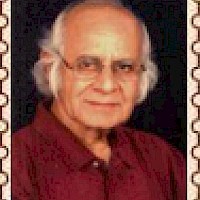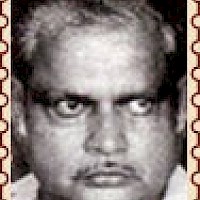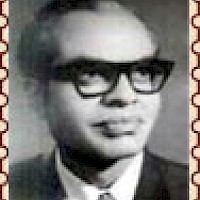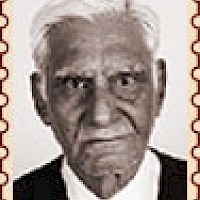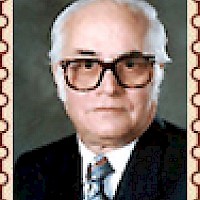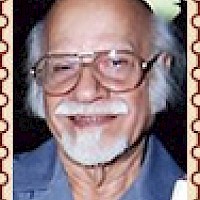

Late Mr. Prabhu 'Wafa'
Uttam Sahit Award
Recipient for year 2007
Prabhu ‘Wafa’ (born 19 September 1915, Larkana, Sindh) revealed his poetic genius early, astonishing renowned poets at a mushaira at just fifteen, and went on to become a towering figure in Sindhi literature. Deeply influenced by Sufism and guided by master poet Nawazali Niyaz, he mastered multiple poetic forms, created the unique Panjkada, and earned wide acclaim, including the Sahitya Akademi Award. His lyrical, philosophical, and patriotic works-sung by leading Sindhi musicians and broadcast by All India Radio-are taught in schools and universities, reflecting his humanist outlook, spiritual depth, optimism, and enduring love for Sindh and India.
Key Facts
- Birth Date: 19th September 1915
- Place: Larkana, Sindh (now in Pakistan)
Biography
Prabhu ‘Wafa’ was born on 19 September 1915 in Larkana, Sindh (now in Pakistan), a town renowned in pre-Partition days as a vibrant centre of Sindhi poetry. He grew up in an affluent and culturally inclined family; his father, Diwan Jotumal Gyanchand Chhugani, was a distinguished lawyer with a deep love for poetry and music. From an early age, Wafa was influenced by the spiritual traditions of Sufism and Vedanta, particularly through the teachings of the saint-poet Rohal Fakir, whose dargah at Kandri Sharif his family visited regularly. This spiritual grounding shaped his universal humanist outlook, transcending religious boundaries while nurturing a deep love for Sindh and India.
Selected list of published books:
- Jhankaar - 1958
- Parwaaz - 1962
- Surkh Gulab - 1980
- Maan Azal Ji Uunj Aahyan - 1990
- Tun Saagar Maan Leher - 1993
- Aaeena Ain Aksa - 1994
- Sij Lahan Te Aah - 1999
- Translation in Sindhi: The Prophet by Kahlil Gibran - 1983
Some of the prominent awards won:
- Sahitya Academy Award for ‘Surkh Gulab Suraha Khwab’ - 1981
- Maharashtra Gaurav Puruskar - 1990
- Lifetime Achievement Award by Maharashtra Sindhi Sahitya Academy, Mumbai - 1992
- Professor Ram Punjwani Memorial Award for Lifetime work from Priyadarshini Academy - 1998
- Lifetime Achievement Award from Sindhi Academy of Delhi - 2004
- A.J. Uttam Award at Golden Jubilee Function of Akhil Bharat Sindhi Boli Ain Sahat Sabah Jaipur - 2009
Occupation
Poet, lyricist, thinker, and humanist.
Education
Prabhu ‘Wafa’ completed his schooling at Government High School, Larkana, and pursued higher studies at D.J. Sindh College, Karachi. In 1938, he graduated from the University of Bombay.
Literary Activities
Wafa’s literary brilliance emerged early. In 1930, at the age of fifteen, he recited his ghazal at a mushaira in Larkana in the presence of eminent poets such as Nawazali Niyaz, Mehmood Khadim, and Ali Mohammed Kadri, earning instant recognition. He received formal training in prosody under Nawazali Niyaz, mastering its intricacies in a remarkably short time. Over the years, he composed poetry in diverse forms including ghazal, geet, baet, vaaee, rubaaee, and haiku, and earned respect as an Ustad, guiding younger poets with insight and generosity.
Books Published
- Surkh Gulab Ain Suraha Khwab (Collection of Panjkadas)
Besides
Prabhu ‘Wafa’ was widely admired for his gentle, reserved, and compassionate personality. Deeply influenced by Sufi philosophy, he believed in universal brotherhood, ethical living, and optimism. His patriotic songs are broadcast on national occasions, and his writings reflect a strong faith in humanity and India’s future. He consistently encouraged young poets and openly appreciated the work of his contemporaries.
Translation
Several of Prabhu ‘Wafa’s poems have been translated into Russian and various Indian languages, extending his literary influence beyond Sindhi readership.
Cassette / CD
Wafa’s geets have been rendered by many leading Sindhi singers and continue to be broadcast from All India Radio. His songs enjoy enduring popularity in literary gatherings, cultural programmes, and religious assemblies.
Appreciation
The eminent Sindhi poet Hari Daryani ‘Dilgir’ praised Wafa’s poetry for its refined language, musical quality, and imaginative depth. He particularly admired the poem “The Cuckoo,” considering it comparable in spirit and quality to the works of poets such as Shelley and Wordsworth. Many other contemporary writers have also paid rich tributes to Wafa’s lyrical and philosophical excellence.
Past Winners